Bone density and the "silent disease": 4 things women should know about bone health
Posted by Temmy
Wed, September 23, 2026 10:42pm
Seven out of 10 American women will have osteopenia or osteoporosis in their lifetime, and statistics show that bone conditions predominantly affect women more than men, especially menopausal and postmenopausal women.
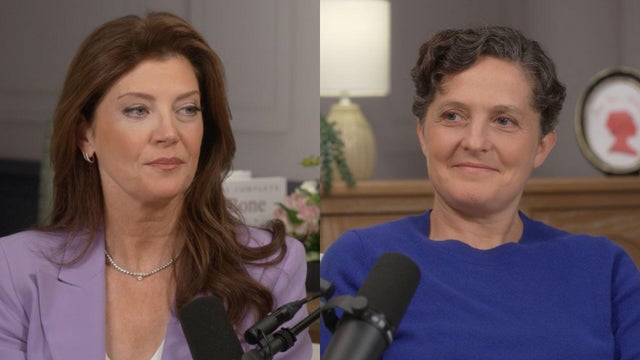
Dr. Jocelyn Wittstein, an orthopedic surgeon at Duke University School of Medicine who specializes in the relationship between menopause and bone health, says it's important to be aware of the risk sooner than many women think.
"One of the major issues is that people think about their bone health later in life," Wittstein said, "after they've sustained a fracture."
Those fractures could be an indication that someone has weak bones, also known as osteopenia, which could progress to the far more serious disease of osteoporosis.
"It's a silent disease until it's not silent," Wittstein said. You may not be able to feel your bones get weaker as you age, but it's happening at an accelerated rate the closer a woman gets to menopause.
So, the question is: What can we do to protect our bones, to prevent or at least slow the progression of bone density loss?
Here's what Wittstein wants women to know:
Don't wait to get a DEXA scan
Dual-Energy X-ray Absorptiometry, or DEXA, scans measure a person's bone mineral density with a "T-score," which compares your bone density to that of a healthy 30-year-old. The scan is a primary way to identify osteopenia and osteoporosis.
Your T-score says it all. A normal T-score is "somewhere between 0 and negative 1. If it's negative 1 to negative 2.5, that's called osteopenia, and if it's worse than negative 2.5, that's osteoporosis," Wittstein explained.
I had a DEXA scan last year and came out with a T-score of 0.1. Wittstein's analysis? My bone density is normal with a low fracture risk. The DEXA scan was simple and took about 15 minutes.
Identifying weak bones as soon as possible is vital in slowing and stopping the progression of osteopenia so that it doesn't develop into osteoporosis.
But Wittstein believes women are getting their first scans later than they should. Based on her experience, she said women are "not normally prescribed or given DEXA scans until 65." But she believes women should get the scan at the menopause transition, around 50 or 51 years old, on average.
"I think where it's critically important is the menopause transition," for when women should start asking for DEXA scans, Wittstein said.
Diet and exercise are your first line of defense
Wittstein suggests that if you want to strengthen your bones and slow the rate at which your bone density decreases, start incorporating strength training and impact exercises into your movement routine.
Why are strength training and impact exercises like jumping jacks and squat jumps good for your bone health? These intense movements signal your body to build stronger tissue around the bone. The denser your bones are, the stronger they are.
Having strong bones will improve your balance, which is a huge factor in reducing your risk of falls and fractures. A fracture might not sound fatal to women under 65, but some data shows "approximately 30% of people who break a hip will die" within one to two years, Wittstein cautioned.
Strong bones fortified by strength training keep older women stable on their feet, reducing fall risk and thus lowering the likelihood of a fracture from falls.
You don't need to be experienced at the gym to reap the benefits either. No matter your fitness level, simply adjust your movement to your needs. Wittstein recommended women "find the entry point you can tolerate" and increase your load as your body strengthens.
"Something is always better than nothing," she said.
Get enough micronutrients like calcium, vitamin D
What you eat is equally important in maintaining bone health.
Calcium has long been touted as the primary mineral for bone health, but Wittstein wants people to know calcium is not the only supplement we should focus on if we want to keep our bones strong. In fact, several micronutrients work together to fortify our bones.
Vitamin D might be an unsung hero of bone health as it absorbs calcium, making it more efficient in strengthening bones. Fatty fish like salmon, eggs and, of course, sun exposure are good natural sources of vitamin D.
Going a step further, Wittstein noted vitamin K and magnesium also play roles in bone health.
"Magnesium helps activate vitamin D," which absorbs the calcium we get from our diet, she said. "Then the vitamin K helps direct it to bone for mineralization," which is when the fortification of our bones occurs.
Fiber is the last piece of the puzzle, but just as important due to its anti-inflammatory capabilities, Wittstein says. So, a diet rich in fruits and vegetables is essential for maintaining bone health.
Wittstein suggests 600-800 units of vitamin D per day if you have a deficiency, as well as taking 1,000 milligrams of calcium and 300-400 milligrams of magnesium daily to round out a bone-supporting routine.
As always, consult your primary care doctor to better understand your body's needs in terms of vitamin and mineral deficiency.
Consider hormone therapy to reduce bone density loss
Menopausal hormone therapy, also known as HRT, is prescribed primarily to treat symptoms of menopause in women, but studies show there might be additional benefits. Not all women should take HRT, and always consult your doctor before changing your health regimen.
Our bones change throughout our lifespan. Women in particular experience drastic shifts in their bone density levels around menopause. Our bones are typically the strongest in our 30s, by which time "we accrue 90% of our bone density," Wittstein said. What follows is a "gradual decline" until about two years before menopause, when there is an acceleration of bone density loss.
"You could lose about 10% just in that narrow window of time," she said.
The estrogen in our bodies is part of what dictates how strong our bones are. "One of the main effects of estrogen is that it inhibits the process by which bone is broken down," Wittstein explained. In perimenopause and menopause, women experience fluctuations in estrogen levels, which can trigger osteopenia, the precursor to osteoporosis.
Since bone density loss triggers inflammation and "estrogen is anti-inflammatory," having the extra support of HRT to manage the natural loss of estrogen during menopause can slow the progression of bone disease, Wittstein said.
Menopausal hormone therapy could be a useful tool in mitigating bone density loss, as it helps balance estrogen levels in menopausal women. Wittstein is hopeful about the future of HRT in helping manage bone density loss. She pointed out that one "FDA indication for hormone therapy is bone protection," as well as the standard management of vasomotor symptoms like hot flashes and night sweats.
There is no standalone cure for bone diseases yet. Women must continue to advocate for our health, especially when looking to prevent conditions that primarily impact us like osteopenia, osteoporosis and other bone-related diseases.
Wittstein's advice comes down to "exercise interventions, maintaining proper dietary habits, [and] potentially making a hormone therapy decision" as ways women can be proactive in maintaining their health throughout their lifetime.
Even with conditions like osteopenia, taking these steps helps slow progression, and as Wittstein assured us, "you can still live a very full life."
Source
|